Dalswinton Series

The Scottish whisky regions offer a melting pot of flavours, each with its own unique characteristics and depth. The casks used in this release have been specially selected and matured over several years, showcasing their elegant and varied profiles. Regularly monitored, sampled, and evaluated, the spirit inside these casks is constantly changing as it matures, and each whisky in this series has been bottled at its peak.

Housed in our traditional dunnage-style warehousing, these casks represent the quality and flavour of the release and have been bottled as part of our broader cask maturation system. Only 100 bottles have been drawn from each cask, reflecting the premium nature and rarity of the spirit.

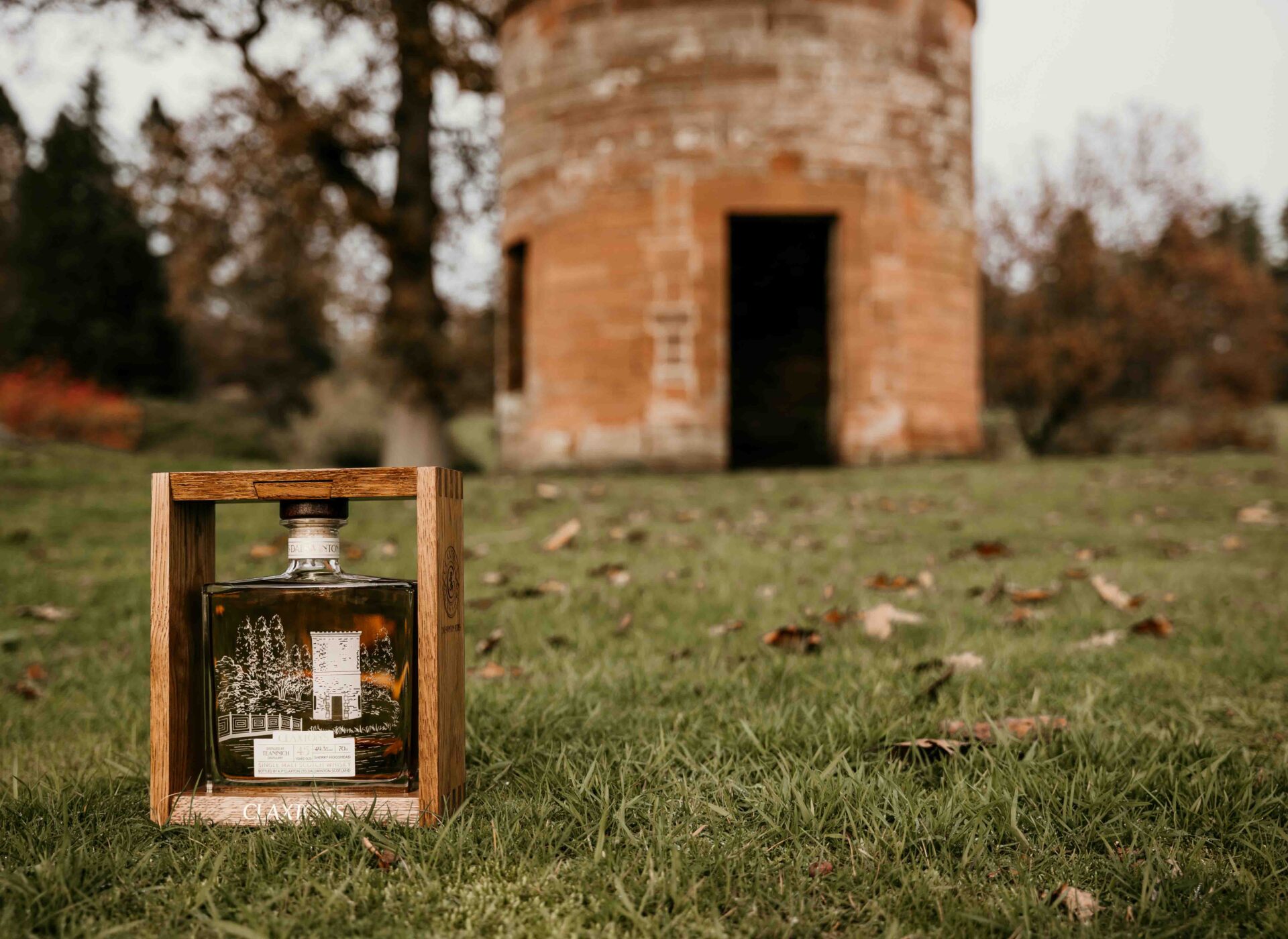
There are five whiskies in this series, each with a scene from Dalswinton Estate. Hand drawn by our in-house design team and then hand etched by local engravers, this project has taken over a year from conception through to design and then release. Established in 2009, T.B. Watson has been in the whisky industry for over 100 years. Etched by hand in their shop in Dumfries, each bottle is as unique as the whisky that fills it. The wooden boxes have also been hand-crafted in the UK by makers of fine furniture in London. Every step of the design process has been carefully considered, and each component has been crafted by hand using local suppliers wherever possible.

Glenburgie

Established in 1829 as Kinflat distillery in the Speyside region near Forres, Glenburgie changed owners multiple times before eventually being bought by Hiram Walker in 1936. It has been associated with the Ballantine’s blend ever since. In 1958 two Lomond stills were installed, only to be removed and replaced again in 1981. The old distillery was demolished in 2004, and a larger, open-plan building was constructed. The distillery was acquired by Chivas Brothers in 2005 and has remained part of their portfolio ever since.
This 45-year-old single cask has been selected to showcase the best of the Speyside region for its significant age statement and sweet, fragrant and fruity profile. Herbal with soft spices, there is a biscuit and pastry undertone with salted pretzels.

Nose: Herbal, fruity and soft spices. A biscuit and pastry undertone with soft pineapple. Sweet oak.
Palate: Soft and round. Peaches, pears and oak cut through with lashings of spices and pretzel flavours.
Finish: Long and soft finish with sweet oak in the aftertaste.

Teaninich

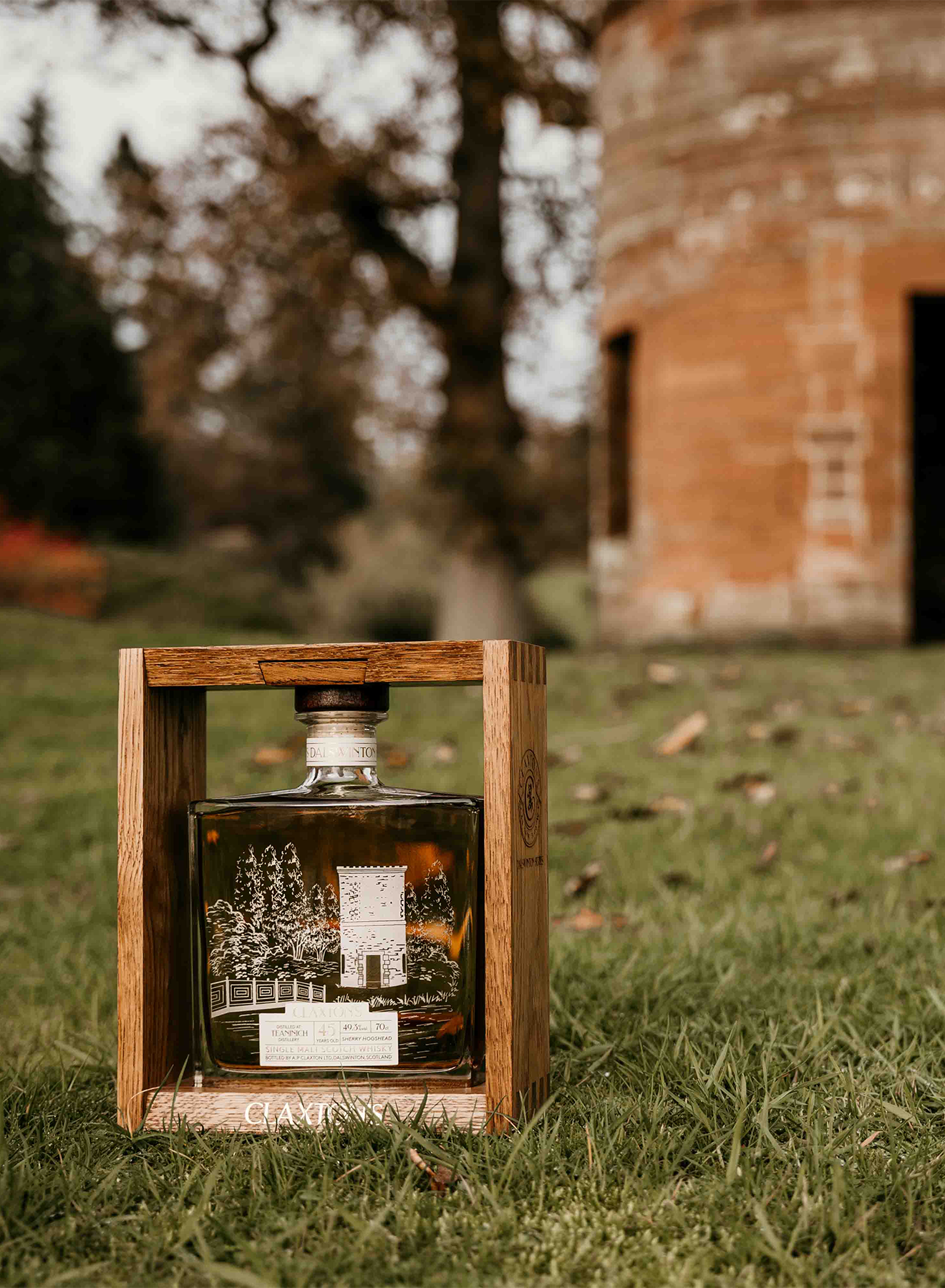
One of the earlier legal distilleries, Teaninich, was built in 1817 by Captain Hugo Munro. The distillery was then sold to his younger brother, John Munro, in 1831. The distillery was leased for several years to various parties before being bought by Robert Innes Cameron in 1904. Following his death, Cameron’s estate sells the distillery to Distillers Company Ltd. In the 1970s, the Teaninich Distillery underwent several renovations, including a new 6-still distillery called “Teaninich A Side” as well as a dark grain plant. Fast forward to 2000, and “A side” is fitted with a mash filter; in 2013, Diageo announced a renovation for a new distillery, placed next to the old distillery to produce a separate whisky.

This 45-year-old single cask has been selected to showcase the best of the Highlands for its significant age statement and delicate balance of fruit and spices, creating a complexity typical of this region.

Nose: Mineral-chalky. Sweet with dried fruits. Hints of tobacco and sweet Shisha smoke.
Palate: Soft fruits at first with dried apricot and apple. Subtle spices and, again sweet tobacco.
Finish: Satisfyingly sweet and oaky with more soft spices in the aftertaste.

Springbank

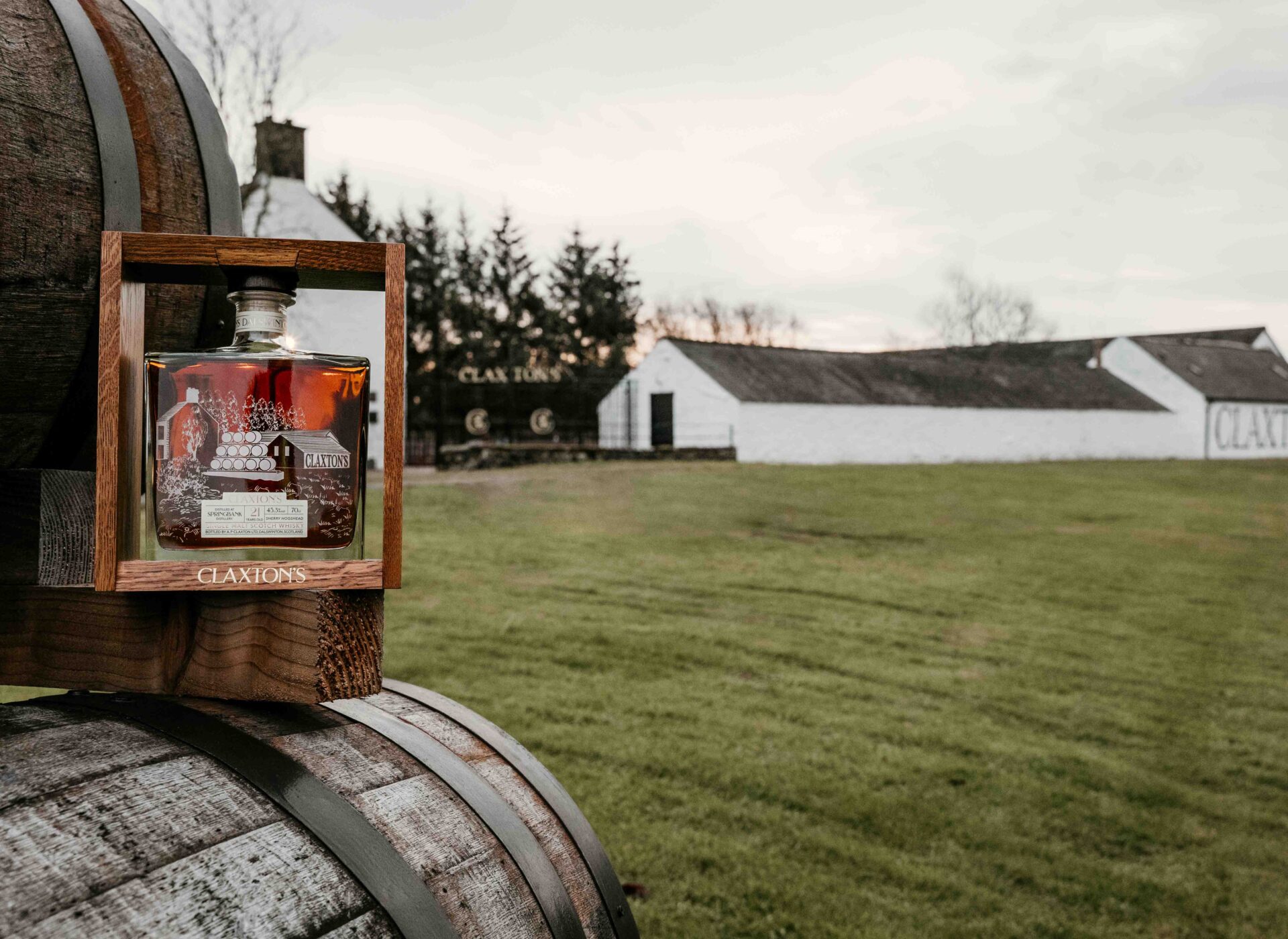
Springbank has a long and sometimes turbulent history dating as far back as 1828, when William Reid first took out a licence to distil. Established on the site of an illicit still belonging to Archibald Mithcell, Springbank is one of the longest-standing distilleries in Campbeltown. As well as this, Springbank is the only distillery in Scotland to malt, distil, mature and bottle on the same site. The Campbeltown region once had around 35 distilleries and experienced a real whisky boom in the 19th and 20th centuries. However, this boom was not to last, and in the 1920s the vast majority of the distilleries closed. By 1960 only Springbank and Glen Scotia survived. That’s not to say Springbank emerged unscathed; the distillery was mothballed between 1979 and 1987, only fully reopening all aspects of the process in 1992. It has taken several years to rebuild this reputation. However, Springbank is now highly sought after and has cemented its brand as one of consistency and quality.

This 21-year-old single cask has been selected from the most notable Campbeltown distillery. A highly sought-after, traditional Campbeltown style distillate perfectly integrated with an active sherry cask. Sherry notes come through with sweet oak and black grapes, followed by a long, bittersweet finish.

Nose: Black Forest Gateaux. ‘Dunnage’ warehouse notes, damp earth and old oak. Thick and juicy Sherry notes.
Palate: Soft and round. Sherry notes come through with sweet oak and black grapes. Lots of dried fruits and cloves.
Finish: Long, bittersweet and oaky finish. A gentle smoke adds to a rocky minerality.

North of Scotland

A now silent distillery, North of Scotland distillery was sold for the last time in 1982 to Distillers Company Ltd.

However, prior to this, North of Scotland was producing large volumes of both grain and malt whisky. In 1957, George P Christie purchased Robert Knox’s Forth Brewery for £10,000 and quickly converted the building into a malt and grain whisky distillery. In 1958 North of Scotland started producing grain whisky from its three patent stills. The malt whisky was produced in copper stills on the same site under the name Strathmore. The two distilleries operated side by side; however, at this time, the demand for grain whisky was far greater. Thus, in 1959, Christie removed the copper pot stills to install a larger mash tun allowing the North of Scotland distillery to increase output. North of Scotland continued turning out grain whisky until 1980, when Christie, then concerned with the overproduction of grain whisky, took the decision to close. The building is now used solely as a bonded warehouse by Diageo.

Selected to showcase the best of the Lowlands, this rare grain whisky reflects the character and industry of a bygone era. With hints of maple, fresh vanilla, ginger and biscuits, this whisky is deliciously dessert-like.

Nose: Tiramisu. Crème Anglaise. Fresh vanilla. Hints of Maple syrup, ginger and biscuit.
Palate: Soft at first with an oaky-vanilla sweetness. Aniseed and cinnamon. Cloves and honey.
Finish: Deliciously dessert-like. An aftertaste full of brandy butter and brandy snaps.

Bowmore

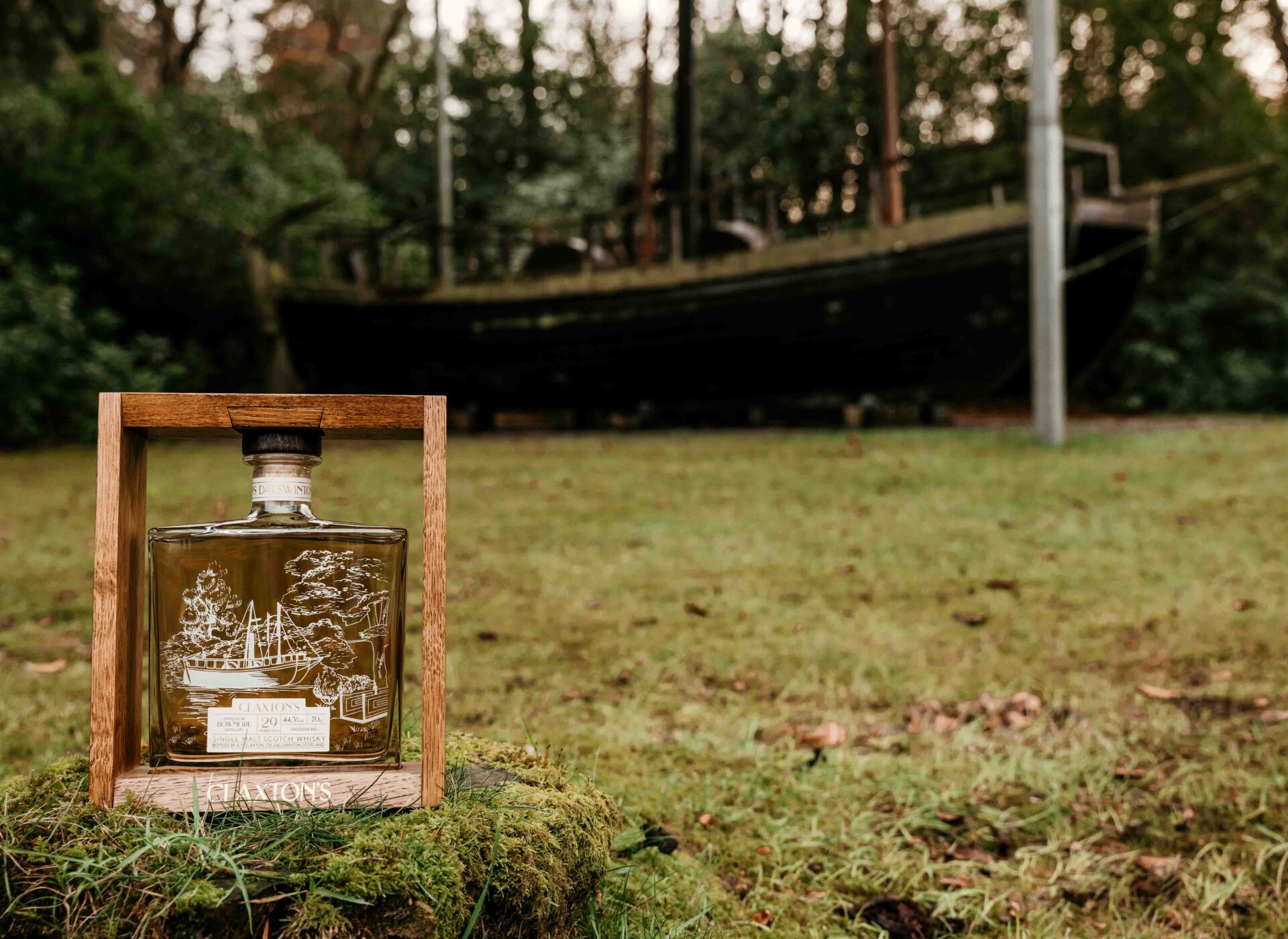
Officially, Bowmore started distilling in 1816 when John Simpson applied for a licence, although it is contested that Bowmore started distilling as far back as 1779. However, it wasn’t until 1837 that Bowmore started gaining a reputation in the industry after being bought over by Wm and Jas Mutter. As with many of the Scottish distilleries, Bowmore changed hands several times right up until 1963, when the distillery was acquired by Stanley P. Morrison. This era is regarded as one of Bowmore’s high points. In 1994 Suntory, a Japanese distiller, took complete control of the distillery after buying a stake in 1984.

Representing the Islay region from the world-renowned Bowmore Distillery, with notes of soft peat and tropical fruits, this 29-year-old single cask has been selected for its archetypal Islay qualities.

Nose: Fizzy sweets and ashy smoke. Sweet nectarines, seaweed and peppercorns.
Palate: Sweet earthy peat and ash. Tropical fruits, pear drops, BBQ flavours and paprika.
Finish: Peppery with a burst of more tropical fruit. A long, maritime and driftwood campfire aftertaste.